



720x720_q85.jpg?v=1787130498)
720x720_q85.jpg?v=1787130774)


720x720_q85.jpg?v=1787130511)


720x720_q85.jpg?v=1787130774)


Bouquets in Phuket: the first hour decides the second week

Cut flowers are already dying when they reach you. Everything a florist does after the harvest and everything the recipient does in the first hour at home is an argument with that fact. Most of the argument is settled before the wrapping comes off.
A stem drinks through the open capillaries at its cut end. Leave it out of water for a couple of hours and those capillaries seal themselves with air and dried sap. After that the flower can stand in a full vase and still wilt, which is the part that surprises people. The cut is therefore made again under running water or straight into the vase, at an angle, exposing fresh tissue. It is also why a florist who hands you a bouquet will say, more than once, that it should not sit in a parked car.
Water temperature matters more than most people expect. Cool water suits almost everything, while anything that has travelled a long way drinks faster from tepid.
Then strip every leaf that would sit below the waterline. Submerged foliage rots within a day, clouds the water and feeds the bacteria that block the stem ends from the inside. Change the water every second day, take a centimetre off the stems while you are there, and rinse the vase properly instead of topping it up.
None of that takes very long.
What the florist did before it reached you
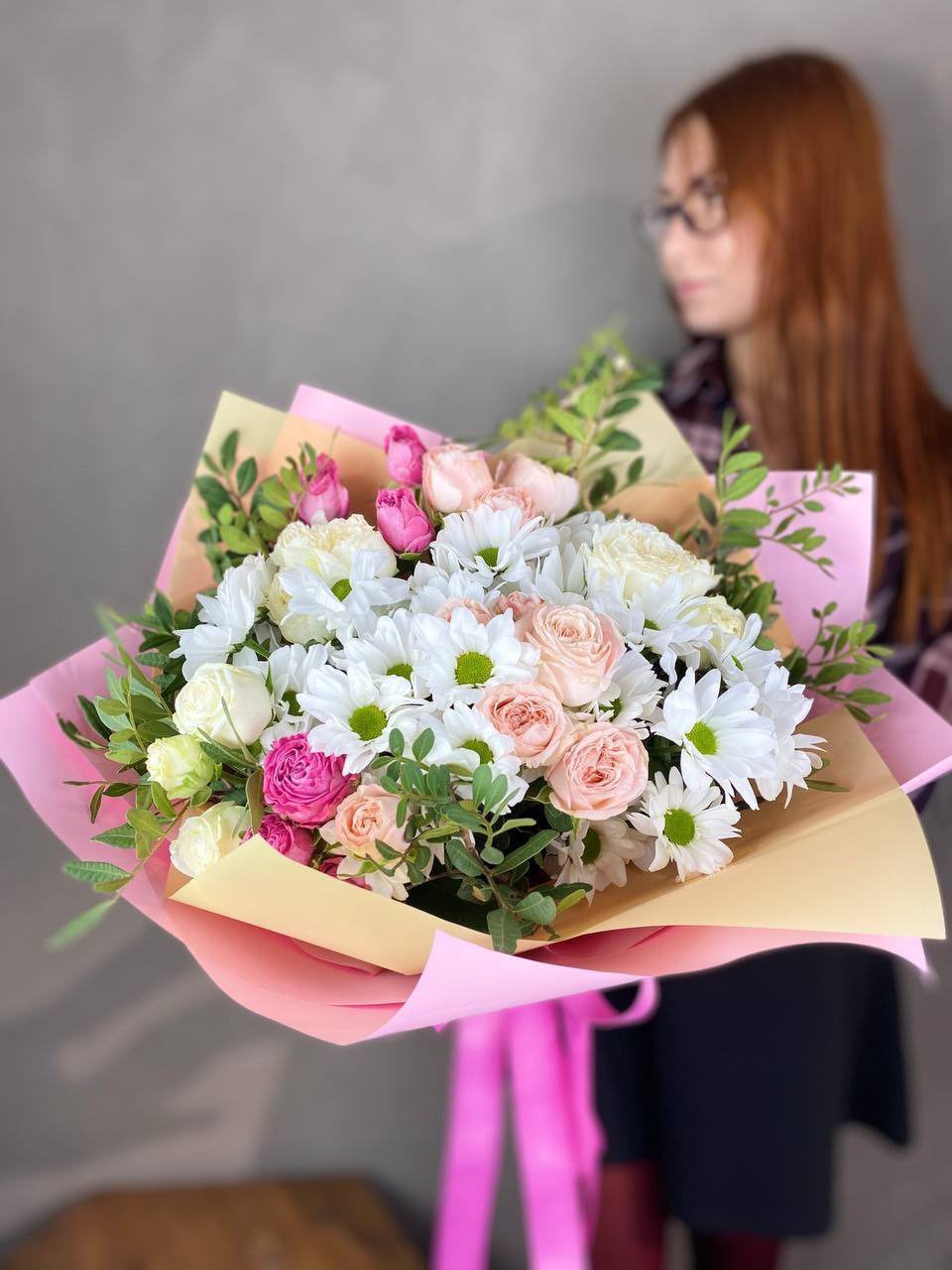
Underneath the paper there is usually a spiral. Stems are laid into the hand at an angle, each one crossing the last in the same direction, so they meet at a single point and fan out below it. A bouquet built that way stands unsupported on a table and settles evenly into a vase. It also drinks evenly, since every cut end sits at roughly the same depth.
A bundle held parallel and tied tight does the opposite. Stems compress, water reaches only the outer cuts, and the heads press together until the petal edges bruise.
The road is part of that first hour
Here the first hour often begins in a vehicle. We work to a 90 to 180 minute window along the west coast, with separate windows for villas, marinas and airport routes, and delivery runs 9 AM to 10 PM. During the rainy season from May to October we add route time for monsoon showers and evening traffic on the hill roads. A bouquet spends that whole period out of water, which is why we pack for the journey rather than for the photograph.

Four lines with the order make the difference:
- The property name and the district.
- The hour the recipient will actually be there.
- A phone number that gets answered.
- Whether anyone can put the flowers in water on arrival, because a bouquet left wrapped on a hotel desk until the evening loses days that no care routine gives back.
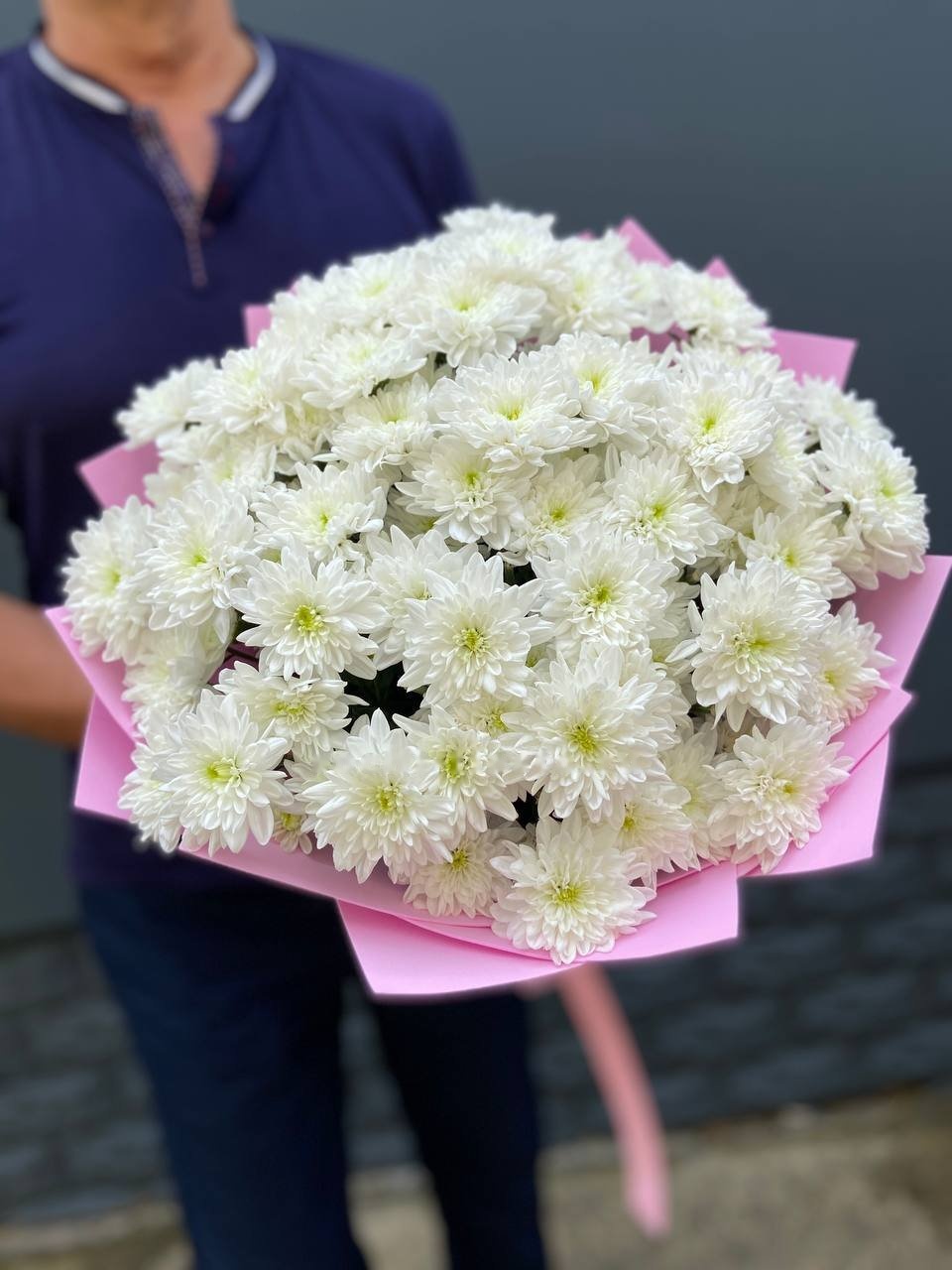
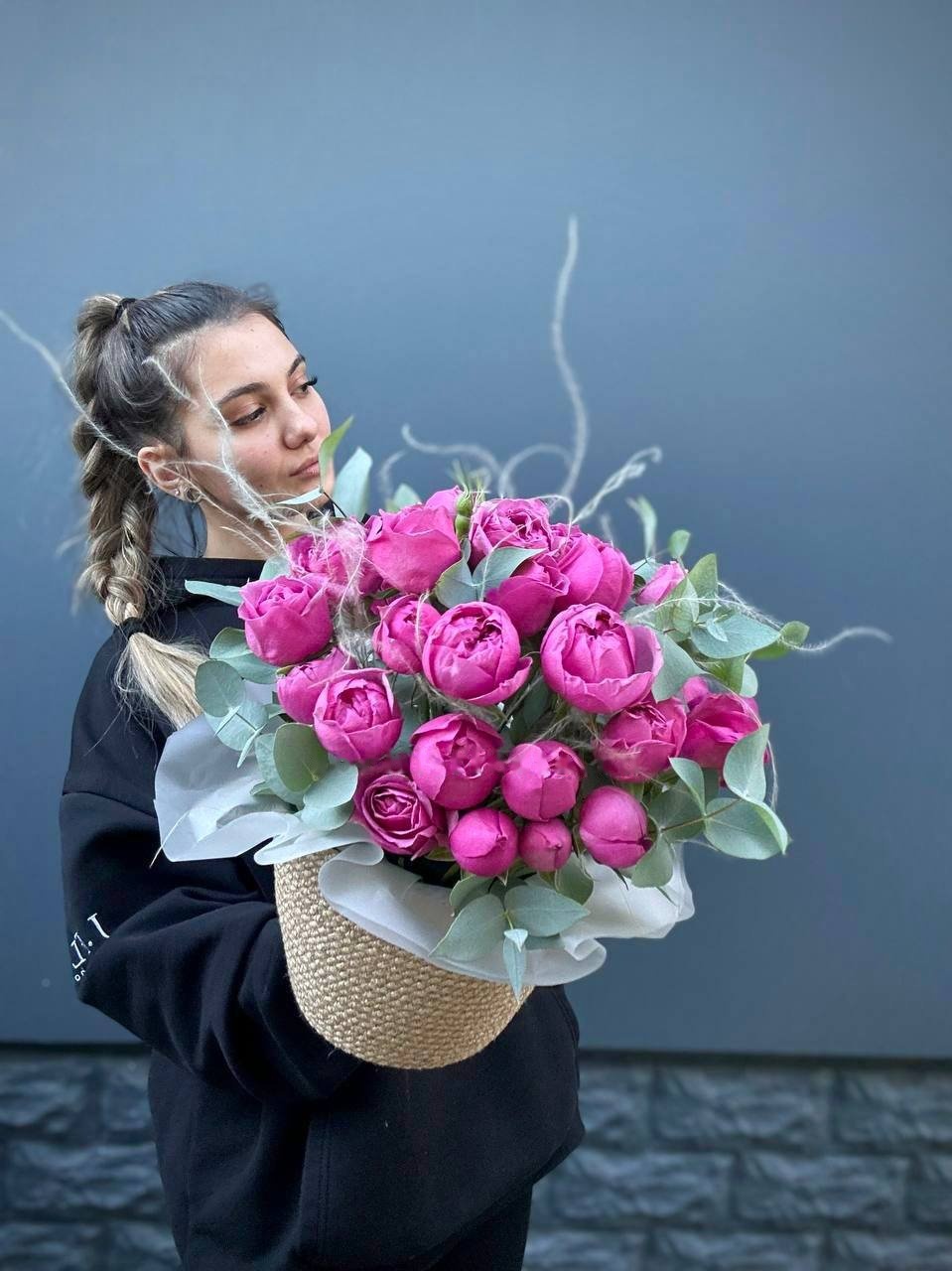
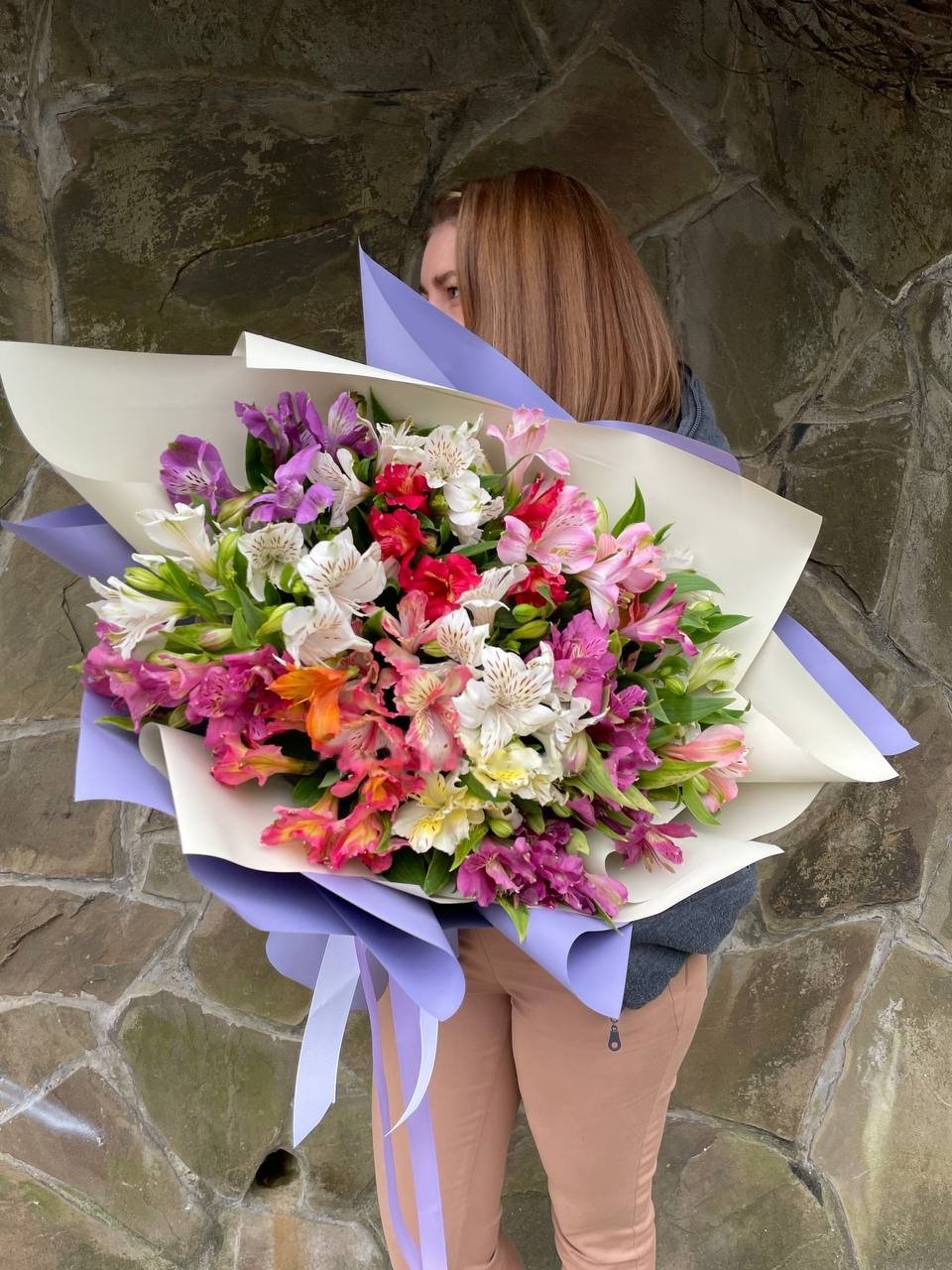
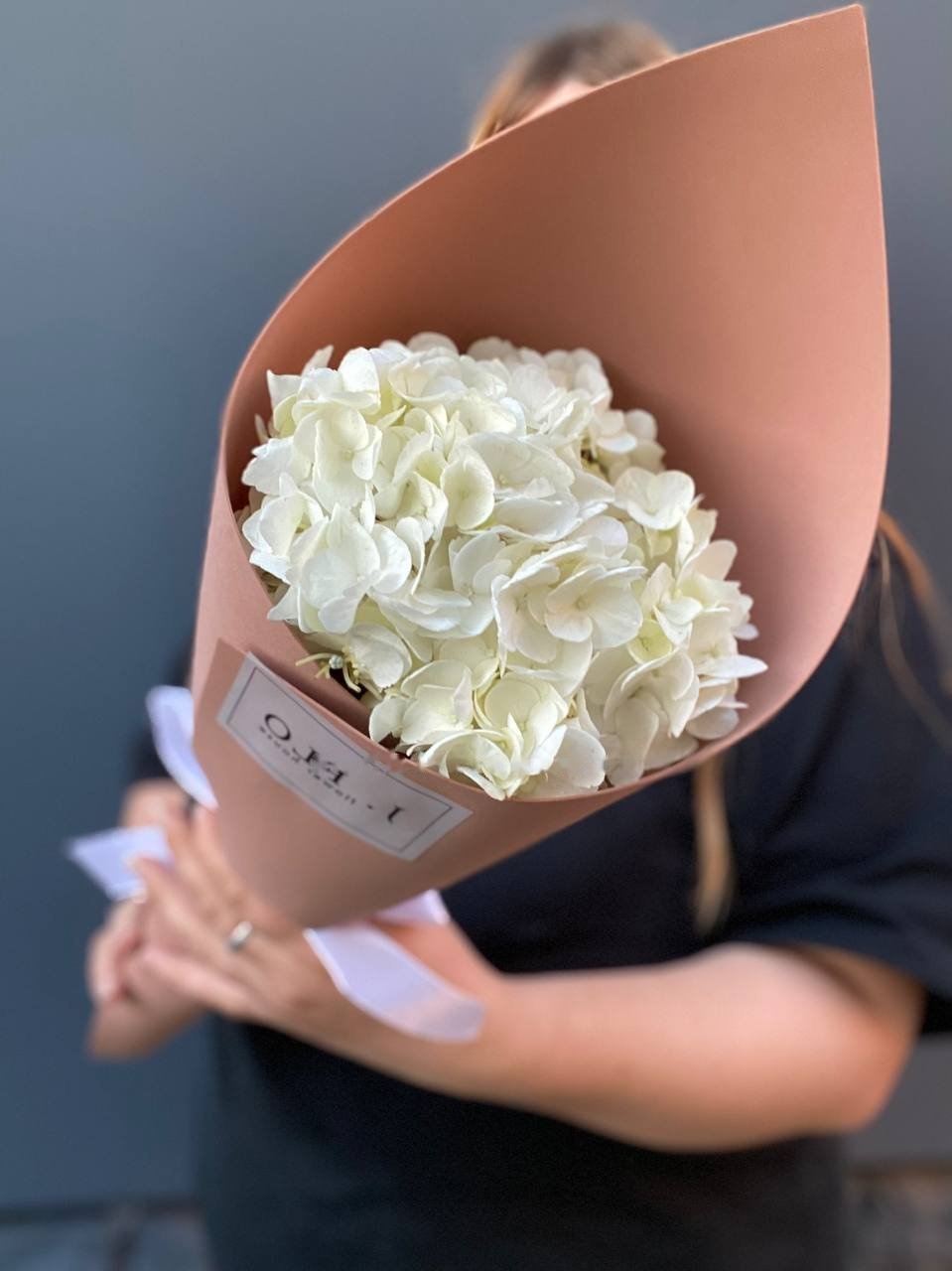
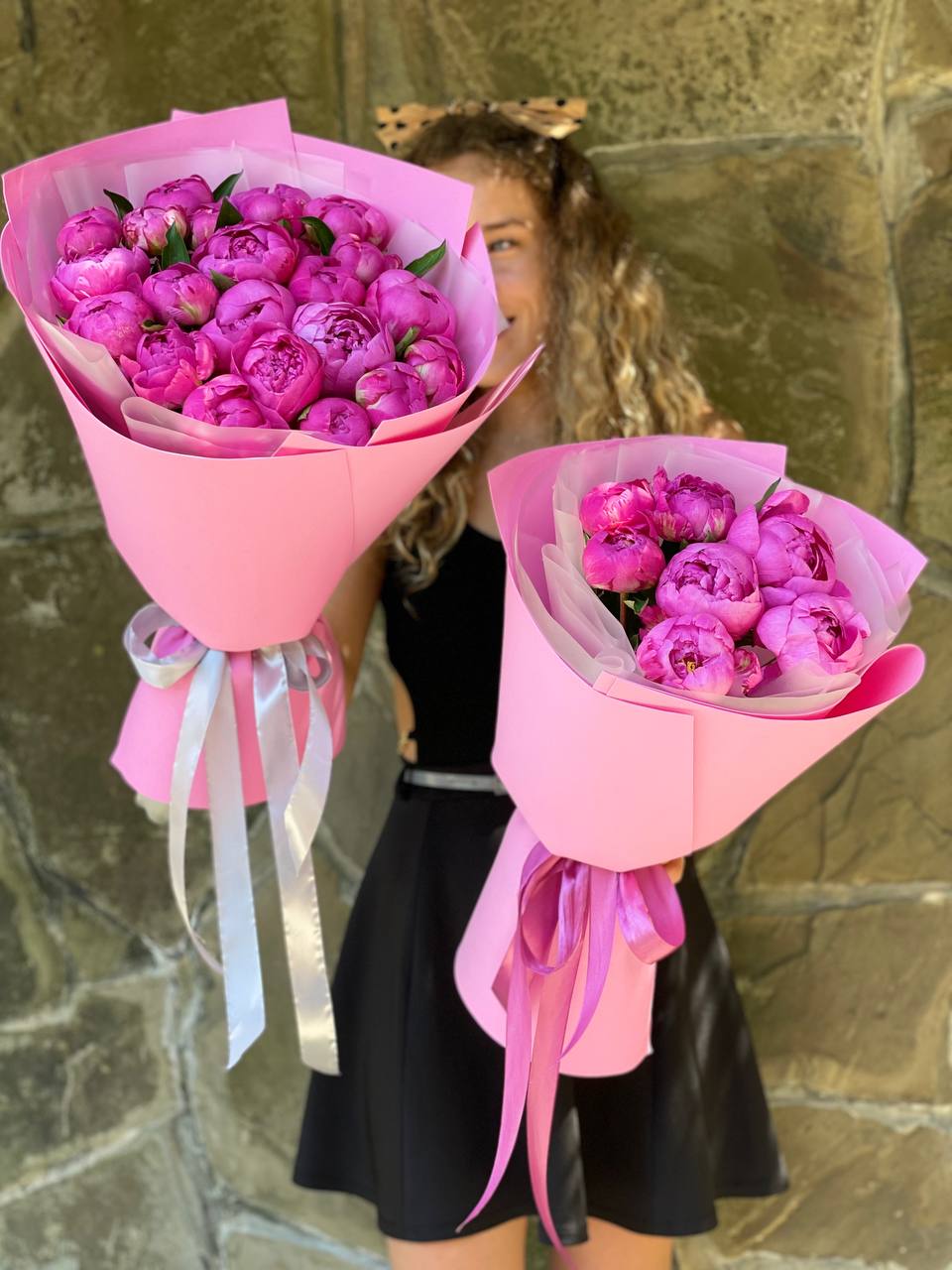
Air at 25 to 33 °C with humidity behind it shortens everything. Thai orchids and chrysanthemums take that in their stride and go into bouquets built for long routes. Imported roses, hydrangeas and seasonal peonies are worth the shorter journeys and the cooler rooms.
Orders start from 2200 THB, and payment goes by bank card, Apple Pay, Google Pay, PromptPay, bank transfer or cash to the courier in baht.
"Half the vase life is decided before the box arrives. The rest is decided in the hour after it does."
— JFLOO florist
If nobody will be at the address, ask for a water tube or a hat box at the order stage. It costs a little more than paper and buys back the hours the bouquet would otherwise spend dry on a counter.

