




720x720_q85.jpg?v=1787130511)


_e58557720x720_q85.jpg?v=1787130512)


720x720_q85.jpg?v=1787130516)
720x720_q85.jpg?v=1787130516)
_0406c4720x720_q85.jpg?v=1787130516)
Roses delivered to Nicosia: varieties, packaging and freshness from the cut
The rose remains the most requested flower in any international city, and Nicosia is no exception. Behind its familiar shape and light fragrance sits a good deal of florist's work: matching a variety to an occasion, controlling freshness from plantation to recipient, and packing precisely for the local climate.
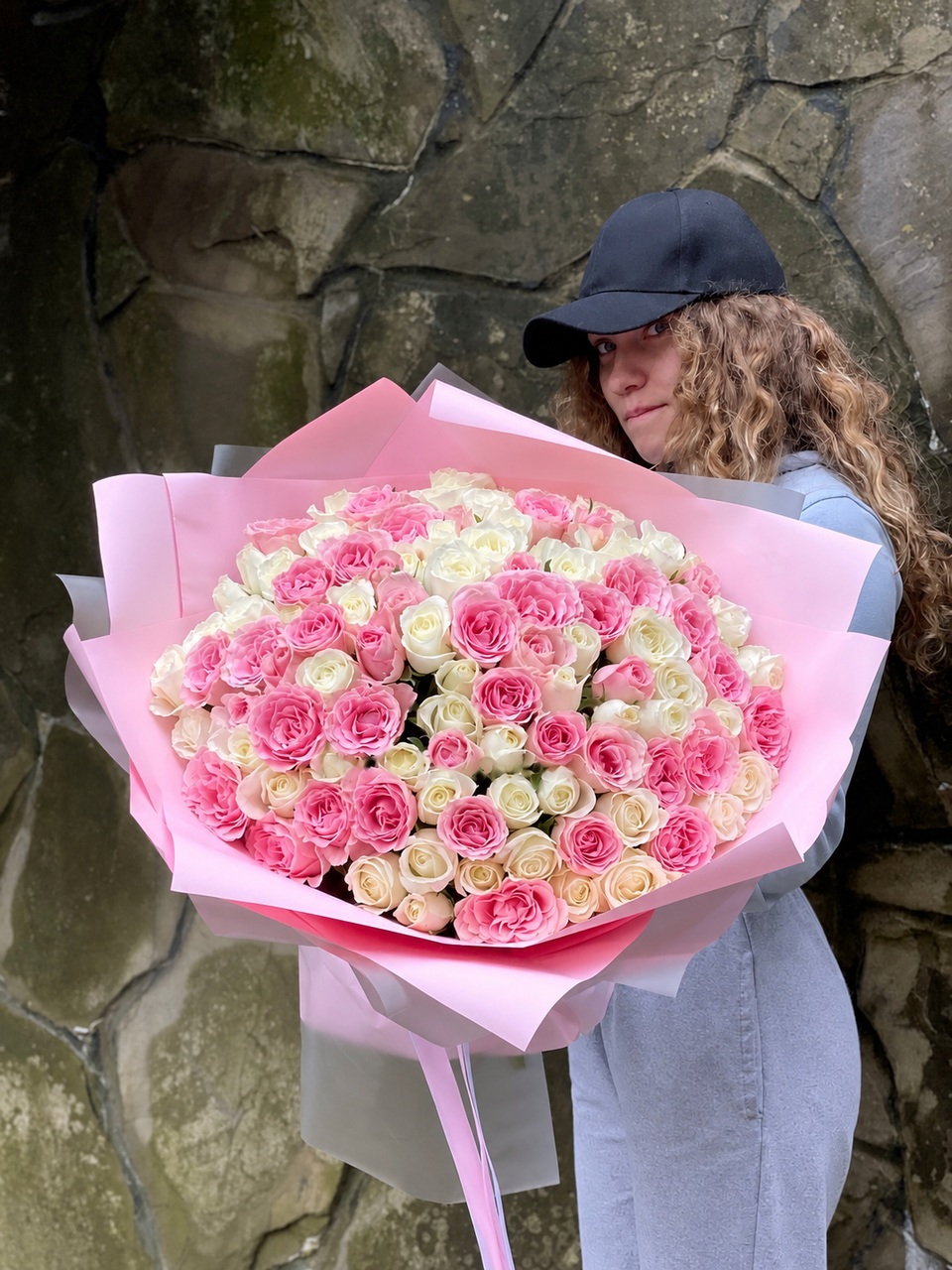
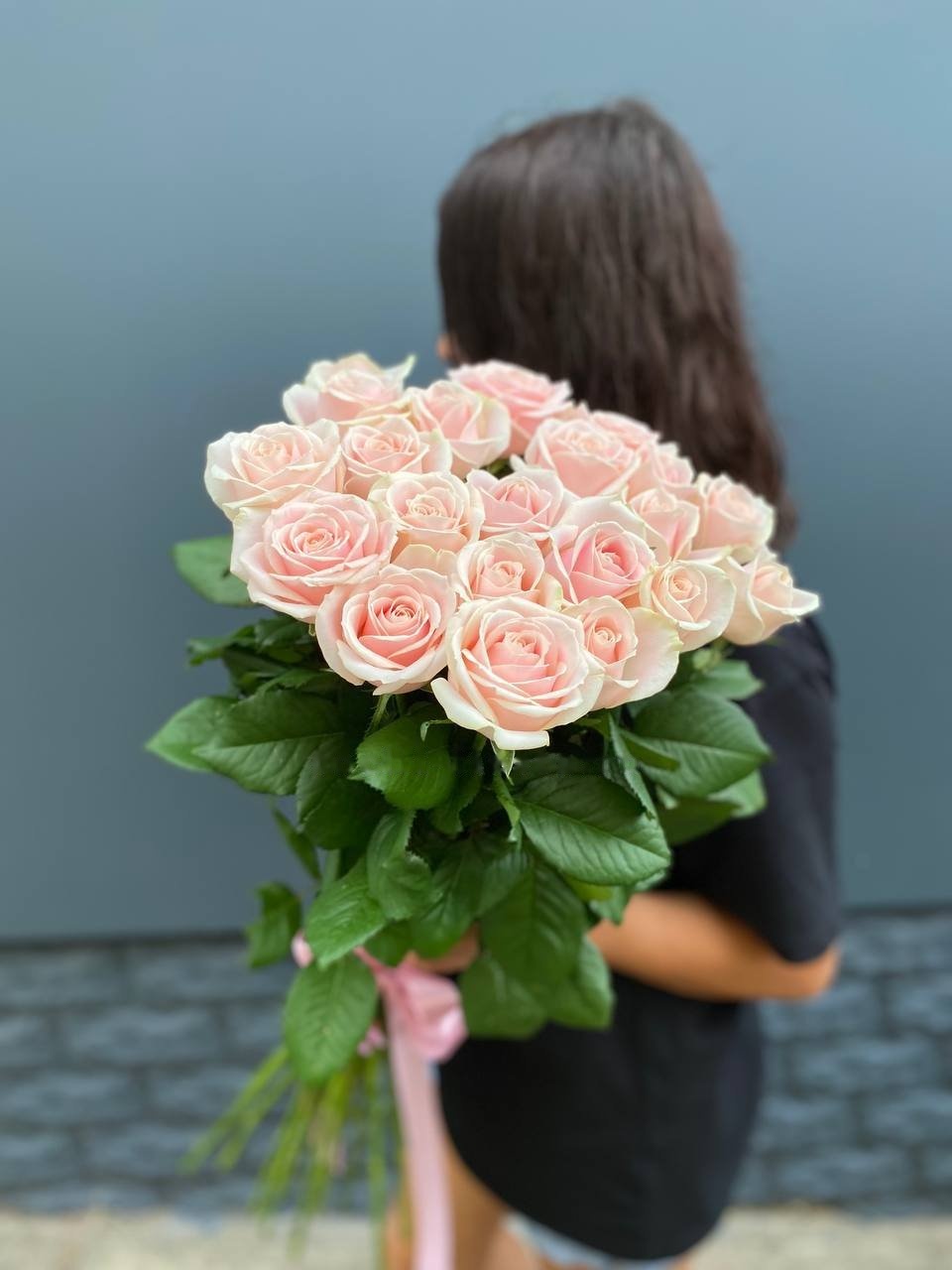
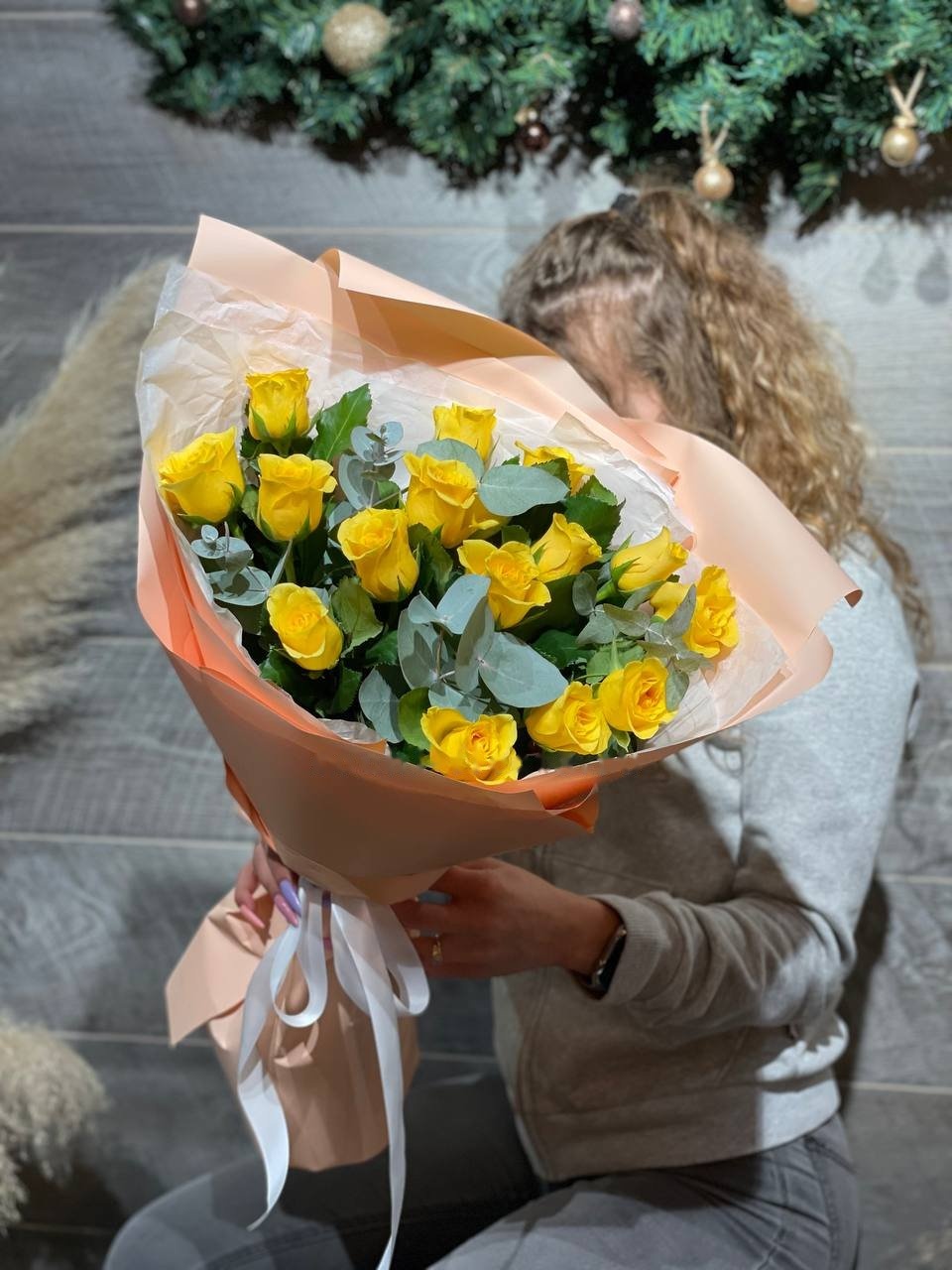
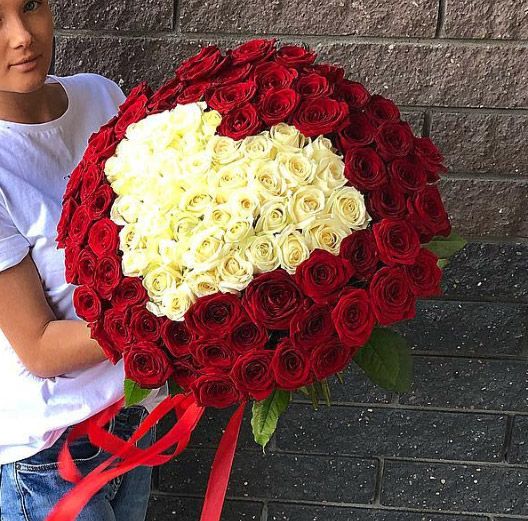
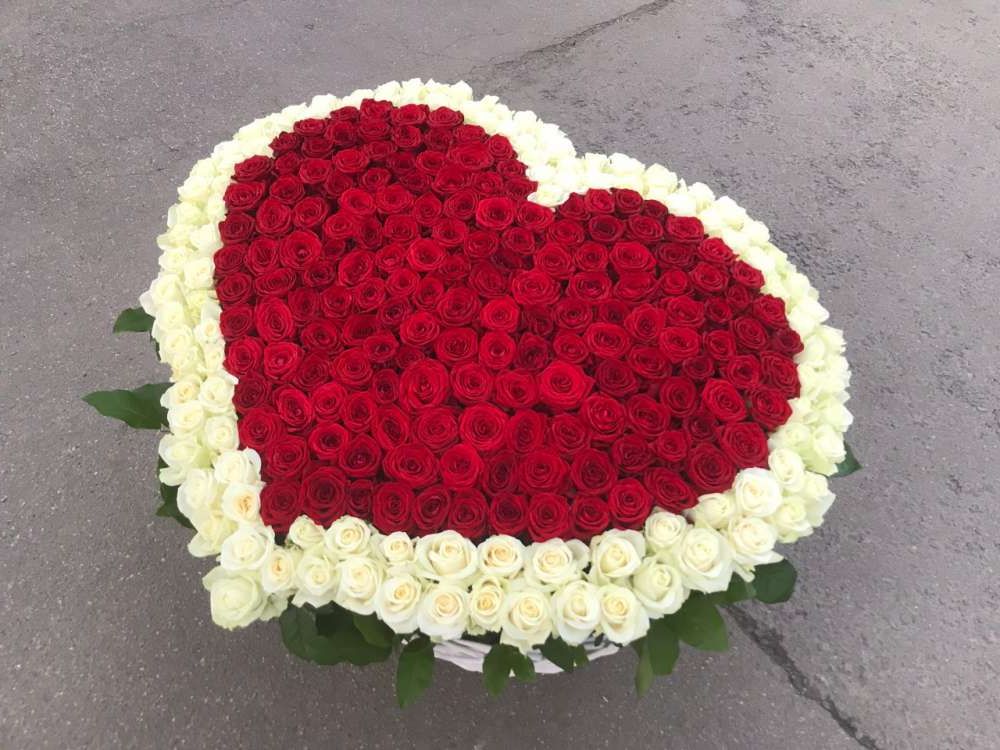
This category brings together single-variety bouquets, mixed arrangements and single stems for a gift with no occasion attached. It also covers boxes, baskets and large armfuls of 25, 51 and 101 stems — a format that usually decides as much about a gift as the variety does.
Which varieties to choose
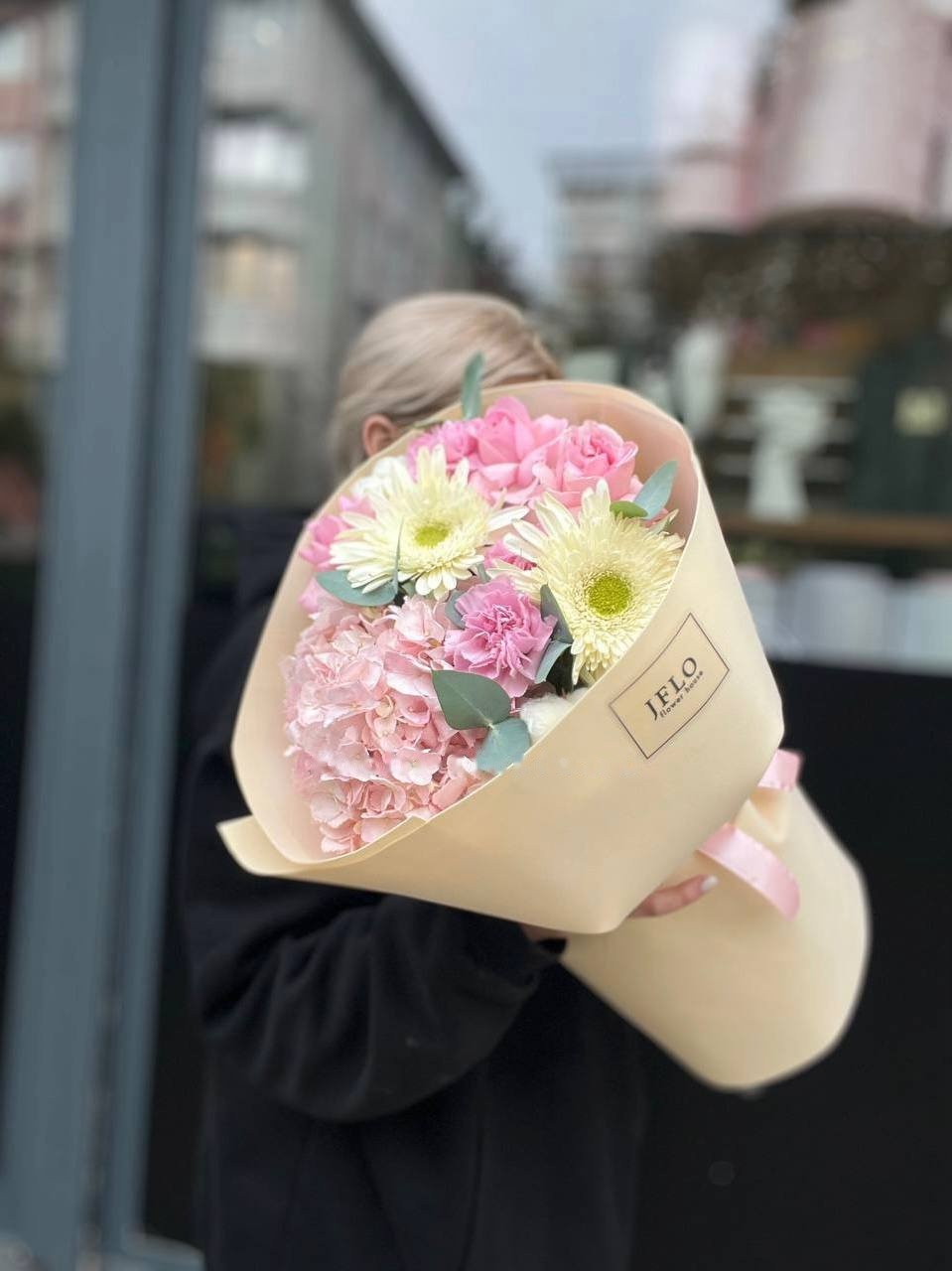
We keep three key groups on the shelf: large-headed Ecuadorian roses, Dutch classics and English garden roses from David Austin breeding. Each solves a different problem, from a formal anniversary presentation to a quiet bouquet for a romantic gesture.
- Freedom, Explorer, Mondial — the Ecuadorian flagships. Long stems of 70–90 cm, a dense bud, and 10–14 days of vase life with proper care.
- Avalanche+, Red Naomi, Vendela — the Dutch classics. A mid-sized bud of 5–7 cm, a wide range of shades, and a dependable everyday choice.
- Patience, Juliet, Constance — English garden roses. A very full, cupped form and a delicate scent, ideal for bridal bouquets.
- Spray roses — several buds on a single stem, for airy arrangements and smaller gifts.
Occasions and stem count
One flower is a light gesture of attention. Three is a friendly thank you. Seven and nine read as a romantic gift. Twenty-five is a serious declaration, while 51 and 101 belong to anniversaries, engagements and milestone birthdays.
In the warm climate of Nicosia the presentation format matters as much as the count: a bouquet in kraft handles daytime sun better than an arrangement in an open basket. For longer journeys we assemble roses with a hydration box, so the stems stay in water right up to the handover.
Freshness and logistics
Ecuadorian roses arrive on flights from plantations at 2800 metres above sea level, where a rose grows slowly and builds a dense bud. With well-organised logistics, six to eight days pass between the cut and the handover to a customer — and the bouquet still holds 10 to 14 days in a vase after that.
Every batch is checked at the half-open stage: the bud should be soft to the touch but already carrying its colour. That is the middle ground between the firmness needed for transport and the readiness to open at the recipient's home.
"The most common mistake is choosing a rose by price rather than by the date it arrived. A fresh greenhouse bouquet, presented properly, will outlast a tired premium Ecuadorian one. Always ask your florist for the batch date."
— Daria Kotova, florist with 12 years of experience
Care at home
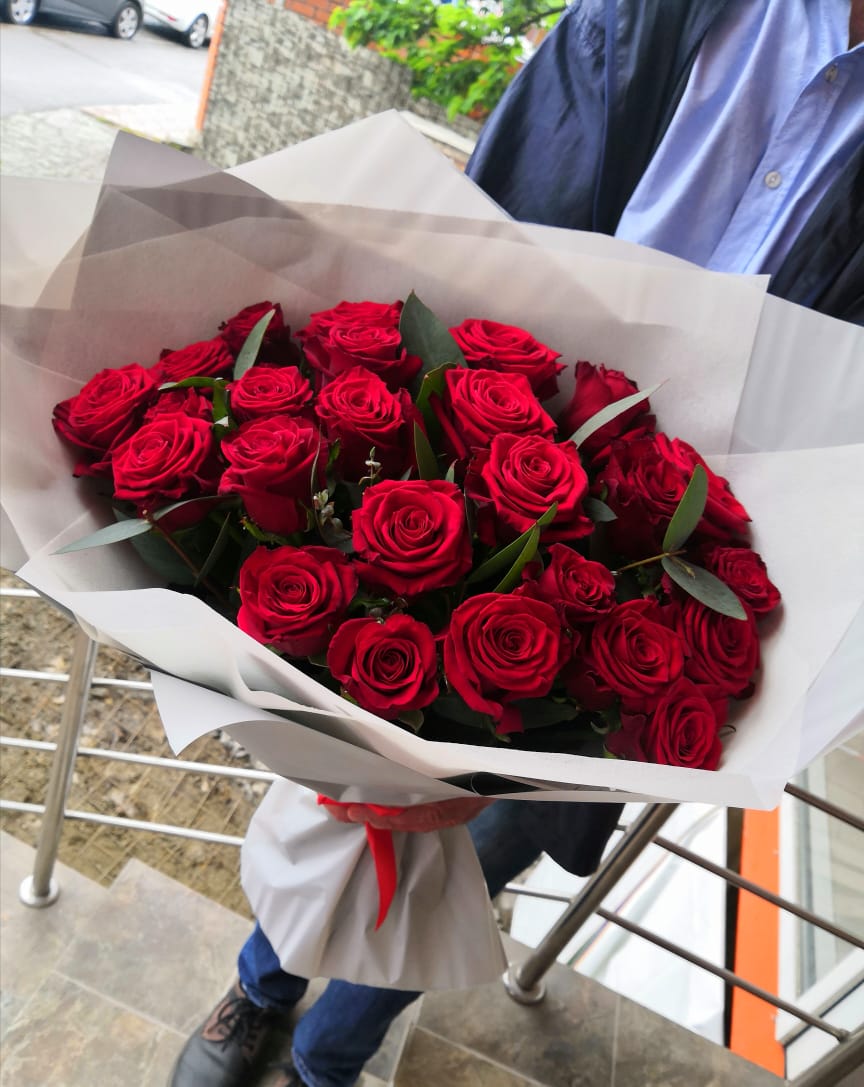
After delivery, recut the stems at a 45° angle, strip the leaves that would sit below the waterline, and stand the bouquet in a clean vase of cool water. Change the water every two days and add flower food or a pinch of sugar. Keep it away from radiators, direct sun and ripening fruit — ethylene cuts the life of cut flowers by about a third.
On hot days in Nicosia, move the bouquet overnight to the coolest room in the home, or into a fridge if the room stays above +25 °C. That pause in the plant's metabolism adds three to five days of vase life without any chemistry at all.
Roses are a flexible category: they work for a colleague's birthday, a wedding anniversary, a bridal bouquet or a welcome-home gift from the maternity ward. We match variety, colour and format to the specific occasion — message a manager and we will help put together an arrangement that fits the brief.

